Access Mode
Download
Focus Mode
Font Size
The access mode is mainly used to control the connection link between applications or clients and the database proxy. It is divided into two modes: Balanced Distribution and Nearby Access. The following introduces the rules, advantages, and disadvantages of the two access modes of TencentDB for MySQL database proxy.
Prerequisites
The database architecture is two-node (except economical), three-node, and Cluster Edition.
Balanced Distribution
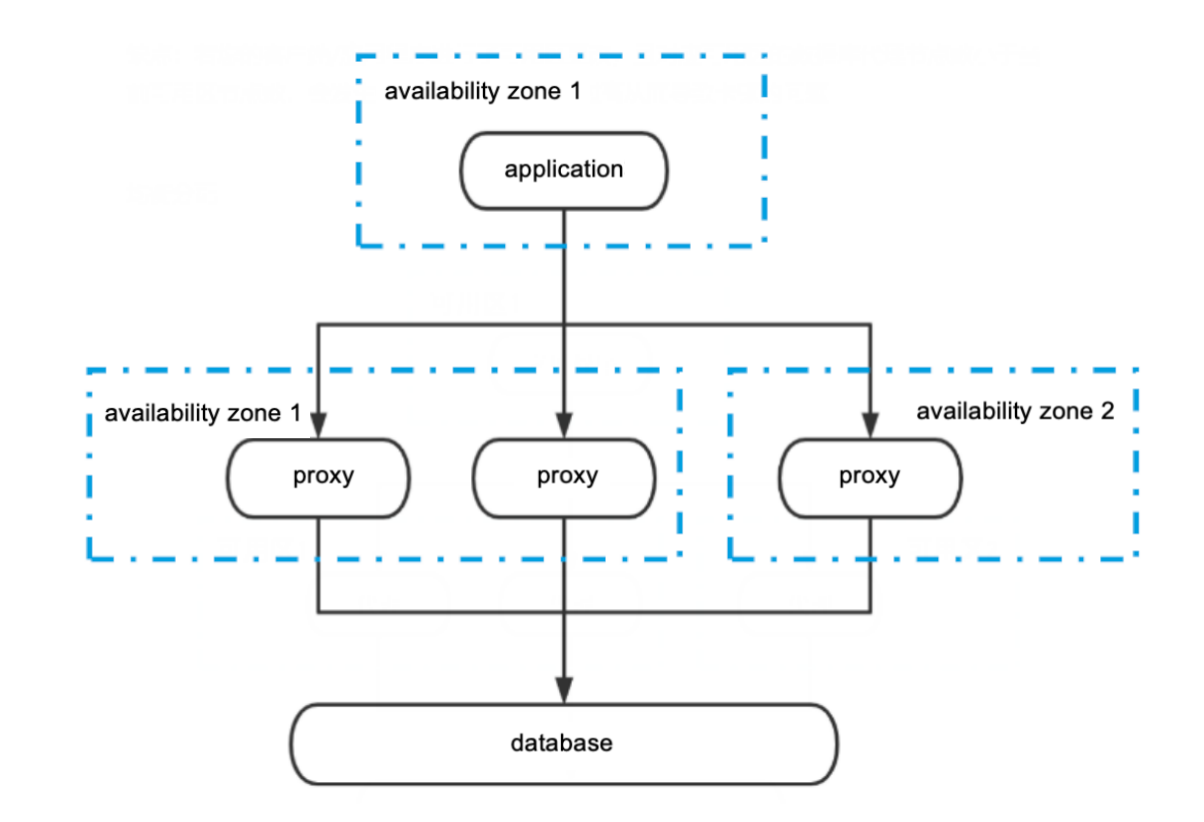
Rules: In balanced distribution access mode, applications connect to all database proxy nodes. If the database proxies have nodes in multiple AZs, all connections from the applications to the database proxies are evenly distributed across the database proxy nodes in all AZs to access the database.
Advantages: Balanced traffic distribution ensures there is no issue with excessive load on a single node.
Disadvantages: If proxy nodes exist in different AZs, it is prone to longer access paths, resulting in excessive request latency.
Nearby Access
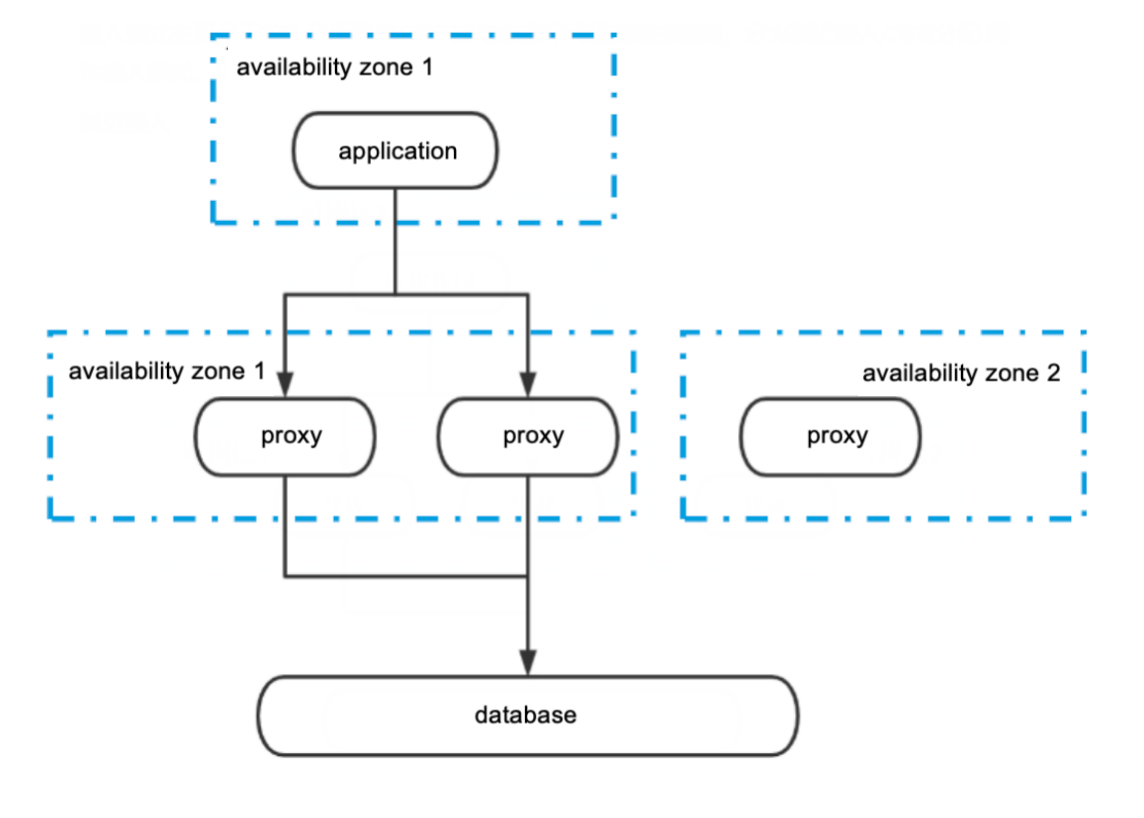
Rules: In nearby access mode, applications will connect to the database proxy node in the same availability zone (AZ) or with the shortest access path. If the database proxy nodes exist in multiple AZs, applications still select the database proxy node with the shortest access path to connect.
Advantages: Low access latency and fast access.
Disadvantages: If your application or client changes AZs, and the number of database proxy nodes in the new AZ is less than that in the original AZ, the database proxy nodes may become overloaded, causing latency issues.
Modify Access Mode
You can modify the access mode when setting the database proxy connection address or modifying the access policy. For detailed steps, see Setting Database Proxy Connection Address.
Help and Support
Was this page helpful?
You can also Contact sales or Submit a Ticket for help.
Help us improve! Rate your documentation experience in 5 mins.
Feedback